Culpeper, VA · Hot Water
Water heater repair and replacement in Culpeper, including well water tanks. Sediment, anode, valves, and elements checked before anyone quotes a new unit.
The complaint is rarely no hot water. It is hot water that quits three minutes sooner than it used to, which the third person into the shower notices and the first person never does.
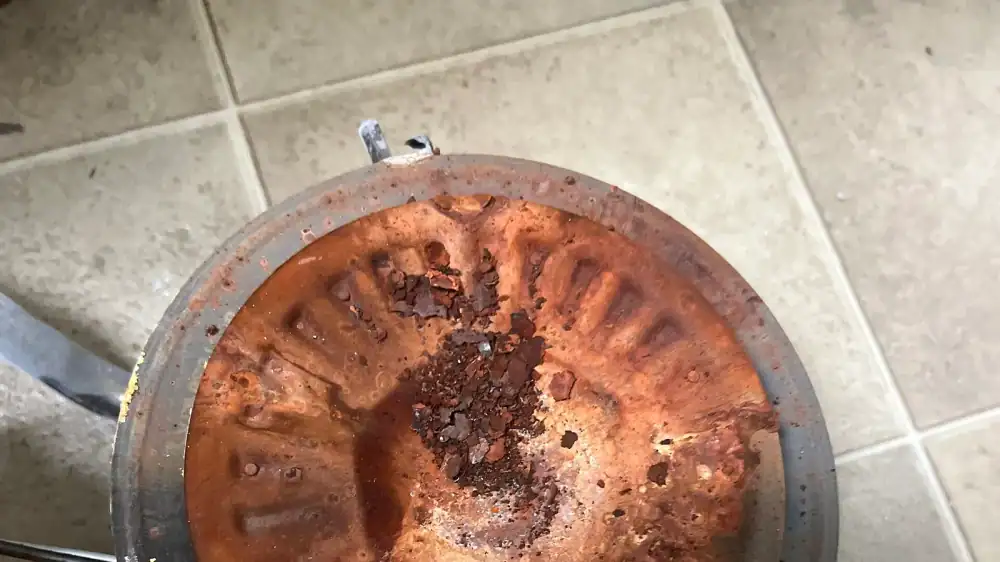
Other signs come through your hands. Water at the tap turns faintly rusty and stays that way after running a minute. The tank makes a low popping sound when the burner fires, which is sediment cooking against hot steel. A damp ring appears at the base and dries by afternoon, then comes back. On a well, which plenty of Culpeper homes still run on, all of this happens sooner, because harder water eats an anode rod years faster than city supply does.
None of it is dramatic. That is the trouble. A water heater is the one appliance in the house with a failure mode that involves forty gallons on a finished floor, and it gives its warnings quietly enough to ignore.
Conventional gas and electric tank heaters, with repair and replacement guidance for tankless units. No-hot-water diagnosis, heating element and thermostat replacement, burner and thermocouple work, sediment flushing, anode rod inspection and replacement, relief valve and expansion tank repair, leak assessment, capacity sizing against real household demand, and full replacement with haul-away of the old unit.
Well water systems get the fittings and the anode looked at as a matter of course, since that is where they fail first around here.
Two details make the call efficient: what the tank is doing, and roughly how old it is. The age is usually on a sticker on the side, and a date code beats a guess.
If there is standing water around the base, shut the supply valve and call rather than write. If the water simply runs out early or turns rusty, the request form is fine and you will get a slot inside a couple of days.
Say whether the house is on a well. It changes what rides out on the truck.
The visit covers the whole unit rather than the one symptom that prompted the call, because the symptoms overlap badly.
On an electric tank, the elements and their thermostats get tested rather than assumed. A lower element failing on its own produces exactly the short supply people describe, and it is a cheap part. On gas, that means the burner, the thermocouple or flame sensor, the gas valve, and the flue.
Then the parts nobody calls about. Sediment depth, which steals capacity and cooks elements. The anode rod, which is a sacrificial piece of metal that protects the tank lining and gets consumed quietly, faster on a well. The temperature and pressure relief valve, which is the only safety device on the appliance. The expansion tank, if there is one, and the fittings that corrode ahead of everything else.
If the tank body itself is leaking, no repair applies and we say so directly. If it is anything else, you get a written price before work starts.
Most of this work stays with our own crew from start to finish. When a job runs past ordinary residential scope, a whole-home tankless conversion or commercial equipment across the greater Fredericksburg area, we cite the installing provider directly at www.robertbpayne.com so the scope is something you can compare for yourself. Households often plan a replacement day around the weather, checking the seven day regional forecast before losing hot water for an afternoon.
How many years should a tank last?
Eight to twelve on city water with routine attention, and noticeably less on hard well water without it. An annual flush and an anode check add real time, which is why they come up even when you called about something else. Older housing stock around the region hits that age in waves, a pattern the growth reporting from the regional economic development office makes fairly easy to see.
Is tankless worth the change here?
Sometimes. It saves floor space and removes the run-out problem entirely, but it costs more up front and depends on gas line capacity or electrical service the house may not have. The deciding factor is real household demand at peak, not the brochure figure. Regional reporting from the daily area paper and campus facilities notes from the area's public university both show the same lesson at larger scale: fix what still holds, replace what does not.